How to Buy a Used Car in the UK: Complete Guide for Expats & First-Time Buyers (2026)
A friendly, jargon-free 2026 guide for expats, migrants and first-time UK buyers — from budgeting and insurance to V5C, MOT, ULEZ and avoiding scams.
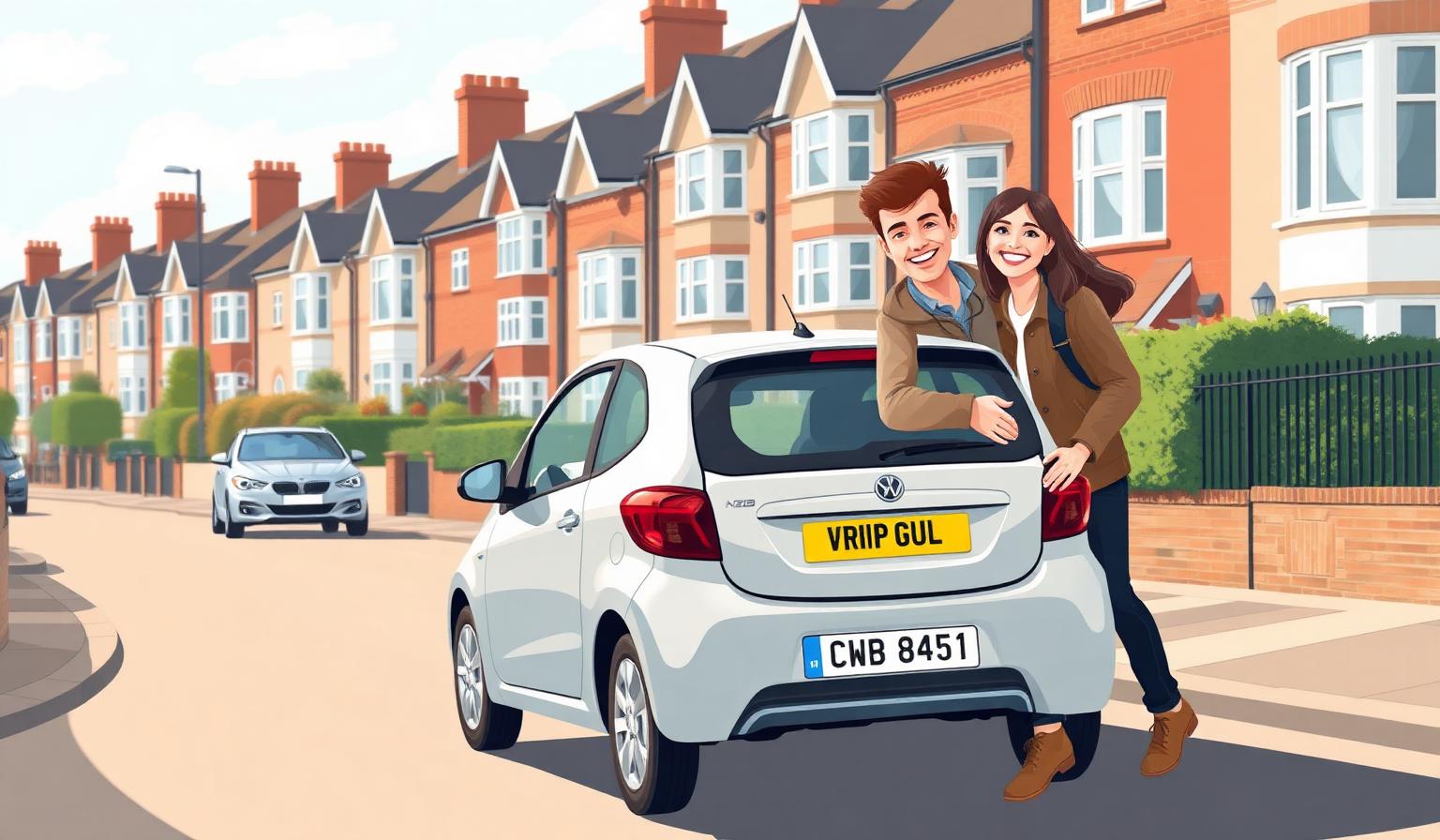
You just moved to the UK. Maybe for a new job, a university place, or to join family. You need a car — for the school run, the supermarket, that job 20 miles down the M6, or simply because UK public transport outside London is more limited than people abroad imagine. But the second you start looking, it feels like the whole system is in code: V5C, MOT, ULEZ, DVLA, HPI, road tax, no-claims bonus, group 14 insurance. Nobody explains what any of it means.
This guide does. It's written for expats, migrants, international students, skilled workers on new visas, and anyone buying their first car in the UK in 2026. By the end you will know exactly how to find a good used car, what to check, how to avoid scams, and how to drive away legally and safely — without overpaying.
Why buying a car in the UK is different
If you've bought cars in the EU, the US, the Middle East, South Asia or Africa, expect surprises. The UK has its own ecosystem and most of it exists to keep cars safe and traceable.
- You drive on the left. All UK cars are right-hand drive. Importing a left-hand car is legal but resale is painful — don't.
- MOT — an annual government roadworthiness test required from a car's 3rd birthday. You can check any car's full history free at gov.uk/check-mot-history.
- Vehicle tax (VED) — does not transfer with the car. The new owner must tax it before driving.
- Insurance is mandatory and uninsured driving is an instant 6 points + £300 fine + seizure.
- ULEZ & Clean Air Zones — London, Birmingham, Bristol, Sheffield and others charge non-compliant cars £8–£12.50 per day.
- DVLA is the agency that registers every vehicle and driver. The V5C logbook is the document that proves who owns it.
Step 1 — Decide your budget (it's not just the sticker price)
The single biggest mistake new UK buyers make is spending their entire budget on the car itself. In the UK, the first-year cost of owning a cheap car is often higher than the car itself — mostly because of insurance.
Example budgets
| Total budget | Spend on car | Keep for year 1 | Realistic choice |
|---|---|---|---|
| £3,000 | £1,800 | £1,200 | 2008–2012 Yaris / Fiesta / i10 |
| £5,000 | £3,200 | £1,800 | 2013–2015 Polo / Jazz / Fabia |
| £10,000 | £7,500 | £2,500 | 2018+ Yaris Hybrid / Civic / Golf |
Can You Afford This Car? — First-Year Cost Estimator
Estimates only. New UK drivers without a UK licence history often pay more for insurance in year one.
Step 2 — Choose the right car
For a first UK car, three things matter more than brand: insurance group (lower = cheaper), reliability, and parts availability. Forget badge prestige.
Top 10 first cars for expats in the UK (2026)
- Toyota Yaris — bulletproof, cheap parts, insurance group 2–6.
- Hyundai i10 / Kia Picanto — tiny, cheap to insure (group 1–4), city-friendly.
- Ford Fiesta — UK's best-seller for a decade; mechanics know them inside out.
- Volkswagen Polo — solid build, slightly higher insurance.
- Honda Jazz — incredibly reliable, huge boot for the size.
- Skoda Fabia — VW underneath, cheaper to buy.
- Suzuki Swift — light, economical, low insurance.
- Toyota Aygo / Peugeot 108 / Citroën C1 — same car, group 1–3 insurance.
- Mazda 2 — underrated, reliable, fun to drive.
- Nissan Micra — easy to park, very cheap to run.
Step 3 — Where to buy a car in the UK
| Source | Price | Risk | Negotiation | Warranty |
|---|---|---|---|---|
| Franchise dealer | Highest (+15–25%) | Lowest | Some | 3–12 months |
| Independent dealer | High (+10–15%) | Low | Yes | 1–3 months |
| Car supermarket | Medium-high | Low | Limited | Short |
| Auction | Lowest | Highest | No | None |
| Private seller (e.g. AutoSter) | Low (−10 to −20% vs dealer) | Medium | Yes | None — buyer beware |
For most first-time and expat buyers, the sweet spot is a private sale on a fee-free marketplace. You get the same car a dealer would mark up by 15%, you can inspect it at the seller's home, and you keep the difference. Browse private listings on AutoSter — no dealer fees, no boost packs, no instant-buy haircuts.
Step 4 — Documents to check (before you hand over a penny)
- V5C logbook — original, in the seller's name, at the address you're standing at
- Seller's photo ID matches the V5C name and address
- MOT certificate (current) — and full history checked on gov.uk/check-mot-history
- Service history — stamped book, dealer invoices, or digital service record
- Both sets of keys (a missing second key costs £150–£400 to replace)
- HPI / vehicle history check — finance, write-off, stolen, mileage
- VIN on the windscreen, engine bay and V5C all match
- Number plate matches the V5C
Step 5 — The car inspection checklist (printable)
- Bodywork — kneel at each corner and sight down the panels for ripples (= previous accident repair)
- Paint — colour matches on every panel (mismatched = repaint)
- Rust — look at sills, wheel arches, around the fuel cap and inside the boot under the carpet
- Tyres — at least 3mm tread, no cracks in sidewall, all four the same brand ideally
- Engine cold start — should fire instantly, no blue or white smoke from the exhaust
- Listen — no rattles, ticks, or whining from the engine bay
- Dashboard — every warning light comes on with ignition, then ALL go off when engine starts
- Mileage — matches MOT history (check on gov.uk before you go)
- Test drive — minimum 15 minutes, mix of low and motorway speeds
- Brakes — firm pedal, car stops in a straight line, no squeal or grind
- Steering — straight when wheel is centred, no vibration at 50–70 mph
- Gearbox — every gear engages smoothly, no crunch on 2nd (manual) or harsh shift (auto)
- Electrics — windows, lights, indicators, wipers, air-con (cold within 30 seconds), radio, all USB ports
- Interior — check under floor mats for water damage, smell for damp
- Under the car — no fresh oil drips on the ground
Step 6 — Avoiding UK used car scams
Most UK car scams target newcomers because they're unfamiliar with the paperwork. The four big ones:
- Clocked mileage — odometer wound back. Beaten by checking gov.uk MOT history.
- Fake deposit / “shipping” scams — seller asks for a deposit before viewing. Always view first, always pay at collection.
- Cloned cars — stolen car wearing another car's plates. Beaten by VIN check + HPI.
- Outstanding finance — car is still owned by a finance company. They can repossess it from you. Beaten by HPI check.
Step 7 — Insurance for expats & new UK drivers
Insurance is the shock most new arrivals don't see coming. With no UK no-claims bonus, even a 1.0L Yaris can quote £1,500+ in year one. Here's how to bring it down:
- Bring proof of no-claims from your home country. Admiral, LV, Aviva and Direct Line all accept translated foreign no-claims letters.
- Telematics / black-box policies (Marmalade, Hastings YouDrive) reward safe driving with 20–40% off after 6 months.
- Add a UK-licensed named driver — a partner, family member or housemate with a clean UK licence can cut premiums significantly. Never list them as the main driver if they aren't — that's “fronting” and it's fraud.
- Pay annually, not monthly — monthly is a credit agreement and costs 10–20% more.
- Park on a driveway where possible — postcodes with off-street parking get cheaper quotes.
- Insurance group matters — group 1–10 cars cost half what group 20+ cars do.
Step 8 — Completing the purchase, legally and safely
- Agree the price. Cash is no longer expected — bank transfer is the UK norm.
- Insure the car from the exact pickup time. You cannot legally drive away otherwise.
- Pay by Faster Payments bank transfer at collection. Funds arrive in seconds; your bank will text confirmation.
- Seller fills in the V5C. They keep the main logbook and post it to the DVLA (or do it online). They tear off the V5C/2 “new keeper” slip and give it to you.
- Tax the car immediately at gov.uk/vehicle-tax using the V5C/2 reference. Takes 2 minutes.
- Get a signed bill of sale — date, both names and addresses, car details, price, “sold as seen, tried and approved”. Free templates online.
- Drive home. Your full V5C arrives by post within 2–4 weeks in your name.
First week with your new UK car
- Buy a dashcam (£40–£100) — UK insurers love them and they protect you in disputes
- Get breakdown cover (RAC, AA, Green Flag — £40–£100/year)
- Book a full service if you don't have recent history
- Build an emergency kit: warning triangle, hi-vis vest, torch, jump leads, phone charger, ice scraper
- Save your V5C/2 reference somewhere safe until the full logbook arrives
- Set a calendar reminder for your MOT date and next service
Putting it all together
Buying your first car in the UK feels overwhelming because the system is paperwork-heavy by design — but that paperwork is exactly what protects you as a buyer. Stick to the eight steps above, never skip the V5C and MOT history checks, and use a fee-free private marketplace to keep £500–£900 in your pocket compared with a dealer forecourt.
Ready to start looking? Browse affordable used cars on AutoSter — all listings are from private UK sellers, no dealer fees, no boost packs, no spam. Already have a car to sell first? List your car free in about 60 seconds.
Frequently Asked Questions
Can an immigrant or expat buy a car in the UK?
Yes. You don't need to be a British citizen. You need a UK address (for the V5C and insurance), a valid driving licence accepted in the UK, and a UK bank account to transfer payment.
Can I buy a car in the UK without UK credit history?
Yes — if you pay cash or by bank transfer. For finance most lenders want 2–3 years of UK address history, so new arrivals are usually better off buying outright privately.
Is it safe to buy from a private seller in the UK?
Yes, if you view the car at the seller's home address, match the V5C name to their photo ID, check the MOT history on gov.uk, and pay by bank transfer at collection.
What documents do I need to buy a used car in the UK?
The seller must provide the V5C logbook in their name, MOT certificate, service history and both keys. You need a valid driving licence, proof of UK address, and insurance from the moment of purchase.
How much will car insurance cost an expat in the UK?
Typically £900–£2,500 in year one without a UK no-claims bonus. Bringing proof of foreign no-claims, adding a UK-licensed named driver, or choosing a black-box policy can reduce this by 20–40%.
What is a V5C and why does it matter?
The V5C is the DVLA's vehicle registration document — the logbook. It proves who the registered keeper is. Never buy a car without seeing the original V5C in the seller's name.
What is an MOT and how do I check one?
The MOT is the UK's annual roadworthiness test, required from a car's 3rd birthday. Check any UK car's full MOT history free at gov.uk/check-mot-history using the number plate.
Should I buy from a dealer or a private seller?
Private sellers are typically 10–20% cheaper for the same car but offer no warranty. For tight budgets and first cars, a private sale on a fee-free marketplace like AutoSter usually wins.
What is ULEZ and do I need to worry about it?
The Ultra Low Emission Zone covers Greater London. Non-compliant cars (most petrol pre-2005, most diesel pre-2015) pay £12.50 per day. If you drive in London, only buy a ULEZ-compliant car.
How do I tax a car after I buy it in the UK?
Vehicle tax doesn't transfer with the car. Tax it immediately at gov.uk/vehicle-tax using the V5C/2 new keeper reference the seller gives you.
What's the cheapest first car for a new UK driver?
Toyota Yaris, Ford Fiesta, Hyundai i10, Kia Picanto, VW Polo, Honda Jazz and Skoda Fabia. Aim for insurance group 1–10 and a small petrol engine.
How do I avoid clocked-mileage scams?
Compare the dashboard mileage to the MOT history on gov.uk — every test records the odometer. If numbers go down or jump suddenly, walk away.
Is it cheaper to buy automatic or manual in the UK?
Manual cars are usually £500–£1,500 cheaper and slightly cheaper to insure. If you can drive manual, it's the better first-car choice.
How long does it take to buy a car privately in the UK?
From first message to driving home: typically 2–4 days. Allow 30–60 minutes for the viewing and 10 minutes online to tax and insure before driving away.
Do I need an HPI check?
Yes, on any car over £2,000. An HPI check (£10–£20) reveals outstanding finance, write-off history, stolen status and mileage discrepancies.