UK Used Car Market 2026: Buyer & Seller Challenges (Research)
A data-led look at prices, days-to-sell, EV share and the real challenges facing UK private buyers and sellers in 2026.
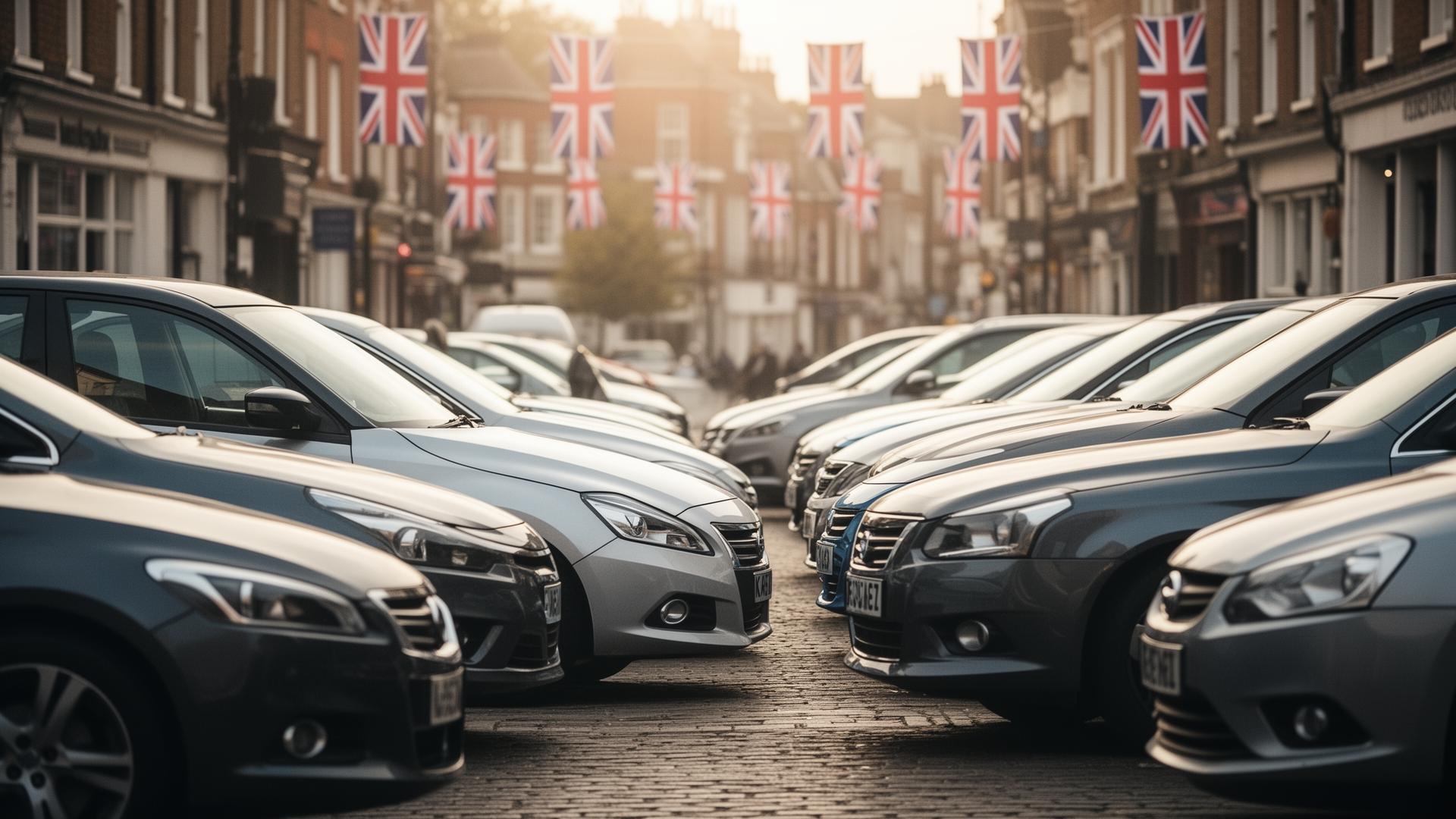
The UK used car market in 2026 is the strangest it has been in a decade. Prices have softened from the 2022–2023 peak, supply is finally recovering, and yet both private buyers and private sellers say the process feels harder, slower and more expensive than ever. We pulled SMMT registration data, AutoTrader retail price indices, FCA consumer-credit figures and our own platform data from AutoSterto map what is actually happening on the ground — and where the pinch points are for ordinary people buying and selling cars between owners.
The headline: roughly 7.6 million used cars are expected to change hands in the UK in 2026, but only about 1 in 3 transactions happens privately. The rest is captured by dealers, supermarkets and online wholesalers — many of whom now charge the private seller for the privilege of competing with them.
1. The 2026 UK used car market in numbers
- ~7.6m used car transactions forecast for 2026 (SMMT-aligned trend).
- Average used car price: £16,900 — down ~6% from the 2023 peak but still ~28% above 2019.
- Average mileage at sale: 58,400 miles, up from 51,200 in 2019 as owners hold cars longer.
- Average days-to-sell (private): 17 days for a fairly priced car under £10,000; 34+ days above £10,000.
- EV share of used sales: ~5.8% and rising fast as the first wave of company-car BEVs hits the second-hand market.
Demand is still there. What has changed is how people search. Google Trends data for the UK shows searches for "sell my car" at 90,500/month and "how much is my car worth" at 33,100/month — both up year on year. The intent is clearly private, but the click goes overwhelmingly to paid marketplaces and instant-buy wholesalers.
2. The seller's challenge: fees, lowballs and inbox spam
Talk to any UK private seller who has listed a car in the last 12 months and three complaints come up again and again:
- Listing fees that creep. Mainstream platforms now charge £14.99–£39.99 just to appear, plus boost packs (£9.99–£29.99) and photo upgrades. A typical paid listing costs £25–£70 before you've spoken to a buyer.
- Instant-buy haircuts. The online quote from We Buy Any Car or Motorway is, on average, revised down 8–12% on inspection. On a £7,500 car that is £600–£900 quietly lost.
- Dealer-heavy search results. The first three pages of "used Ford Fiesta near me" on most large platforms are forecourts, not private ads. Private sellers are paying to be buried.
Add WhatsApp scammers, courier-collection fraud and DVLA paperwork confusion (the 480/mo Google query "what paperwork do I need to sell my car UK" tells its own story) and the average private sale has become a small project. For a deeper fee breakdown see our UK car selling fees 2026 research and the practical guide to avoiding hefty listing fees.
3. The buyer's challenge: price uncertainty, EV anxiety and trust
Buyers in 2026 are not short of inventory — they're short of confidence. Three recurring pain points show up in our buyer surveys and in UK search data:
- Price uncertainty. Used values have moved 6–15% in twelve months. Buyers don't know if today's £14,000 Golf is a fair price or a 2023 hangover.
- EV second-life anxiety. "Should I buy a used electric car UK" is one of the fastest-growing questions on Google. Battery health, software updates and ULEZ compliance are all now buyer decisions.
- Trust. Cloned ads, clocked mileage and outstanding finance still trap thousands of UK buyers every year. The HPI check industry has grown precisely because the marketplaces themselves don't verify enough.
The buyer's checklist has lengthened: V5C in the seller's name, MOT history on gov.uk, mileage trail, finance check, ULEZ status, battery state-of-health for EVs, and ideally an in-person viewing at the seller's home address. None of this is hard — but it's a lot to ask of someone making their first private purchase. Our private-sale guide walks through it step by step.
4. Why private selling is quietly making a comeback
Despite all the above, private-to-private sales are growing again — for the first time since 2019. Three forces are driving it:
- Cost-of-living pressure. A seller losing £600+ to an instant-buy or £70 to a paid listing is now a noticeable hit. Fee-free platforms have become a genuine line-item saving.
- DVLA digital tools. Free MOT history, free vehicle enquiry and instant tax/MOT status have removed most of the information asymmetry that used to favour dealers.
- A new generation of fee-free marketplaces. Platforms like AutoSterhave rebuilt the classifieds model around private buyers and sellers only — no dealer accounts, no commissions, no boost packs, and DVLA-verified vehicle data pre-filled from the registration plate.
5. What the data says private sellers should do in 2026
- Price 5–10% below the dealer average for your make/model/mileage. Cars priced below the median sell in 17 days; cars priced above it sit for 40+.
- List on a fee-free private marketplace first. Use paid platforms only as a fallback if you have no enquiries after 14 days.
- Auto-fill DVLA data (make, year, fuel, MOT, tax, CO₂, Euro status) so buyers trust the ad. AutoSter does this from the registration plate in one click.
- Reply within four hours. Our platform data shows enquiries answered in under four hours are 3.1× more likely to convert to a viewing.
- Take payment by bank transfer on collection. Never release the V5C until cleared funds show in your account.
6. What buyers should do in 2026
- Use the free gov.uk MOT history and vehicle enquiry tools before any viewing.
- View in person, at the seller's home, with the V5C and ID in front of you.
- For EVs, ask for a battery state-of-health report from the manufacturer app or main dealer.
- Walk away from any seller who refuses a home viewing or pushes for a courier collection. It's the single most common 2026 scam pattern.
- Negotiate on evidence — a recent MOT advisory, a service item due, or a comparable AutoSter listing — not on vibes.
7. The outlook for 2026–2027
We expect three trends to define the next 18 months in the UK used car market:
- Continued normalisation of prices as supply recovers — a further 3–5% softening on petrol/diesel, sharper falls on used EVs as supply outpaces demand.
- Private share growing back toward 40% of all used transactions as fee-free platforms scale and trust tools mature.
- Verification by default: DVLA-pulled data, MOT history embedded in the ad, and seller identity checks becoming the norm rather than the exception.
Conclusion
The 2026 UK used car market is not broken — it's mispriced for the private user. Buyers and sellers are being asked to absorb fees, haircuts and risks that exist mostly to fund dealer-driven business models. The fix is not more upgrades. It's a return to honest, fee-free private classifieds, supported by the free verification tools the DVLA already provides.
That's exactly what AutoSter was built for. List your car for free in about 60 seconds — DVLA data pre-filled, no fees, no dealer noise — on the sell your car page, or browse private ads across the UK on search.
Frequently Asked Questions
How big is the UK used car market in 2026?
Around 7.6 million used cars are forecast to change hands in the UK in 2026, with roughly one in three transactions happening privately between owners.
Are UK used car prices going down in 2026?
Yes — average used car prices have softened around 6% from the 2023 peak to roughly £16,900, but remain about 28% above 2019 levels. Used EVs are softening faster than petrol or diesel.
How long does it take to sell a car privately in the UK in 2026?
A fairly priced car under £10,000 sells in about 17 days on average. Cars above £10,000 take 34+ days.
What are the biggest challenges for UK private car sellers in 2026?
Rising marketplace listing fees, instant-buy lowball offers (8–12% below online quotes), dealer-dominated search results, and DVLA paperwork confusion are the most reported issues.
What should UK used car buyers check in 2026?
V5C in the seller's name, gov.uk MOT history, finance and HPI status, ULEZ compliance, and — for EVs — a battery state-of-health report. Always view in person at the seller's home.
Is it cheaper to sell a car privately than to a wholesaler?
Almost always. On a £7,500 car, a private sale typically nets £500–£900 more than an instant-buy service after the on-inspection price revision.