Family Cars
Spacious, safe, and practical. Find the perfect family car with room for everyone — from private sellers across the UK.
Finding the Right Family Car for Your Crew
Choosing family cars is about more than just boot space and ISOFIX points — it's about finding a vehicle that fits your family's unique needs, whether that's the school run, weekend football matches, holiday road trips, or all of the above. The UK market offers an incredible range of family cars at every budget, from compact hatchbacks that work brilliantly for small families to seven-seat SUVs and MPVs that can handle a full carload of kids, grandparents, and luggage. At AutoSter, our private sellers list every type of family car, so you'll find honest, well-maintained vehicles at prices that reflect their real value, not a dealer's margin.
What should you look for in family cars? Safety comes first — look for at least a 5-star Euro NCAP rating, multiple airbags (front, side, and curtain), electronic stability control, and ideally autonomous emergency braking. Most family cars from 2015 onwards meet these standards as standard. Boot space matters more than you think: a pushchair, weekly shop, and a few bags of sports kit can easily fill 400 litres. Hatchbacks like the Skoda Octavia and Honda Civic offer surprisingly large boots for their footprint, while estate versions of the same cars give you even more capacity without the bulk of an SUV. If you regularly carry more than two children, ISOFIX points in the rear seats are essential for child seats.
SUVs have become the default choice for family cars, and it's easy to see why. The elevated driving position gives better visibility and makes fitting child seats easier on your back. Crossovers like the Nissan Qashqai, Kia Sportage, and Ford Kuga offer SUV practicality without the size or running costs of a full-size 4x4. If you need seven seats, the Volkswagen Touran, Ford S-Max, and Citroen Grand C4 Picasso are among the best family cars for larger broods — the third row folds flat when not needed, and the sliding rear doors on the Picasso are a genuine game-changer in tight car parks.
Fuel choice matters for family cars too. If most of your driving is school runs and short trips, a petrol or petrol-hybrid makes the most sense — diesel particulate filters (DPFs) clog up without regular long runs. If you're doing motorway miles for holidays and visits, a diesel estate like the Skoda Superb or Ford Mondeo will return 50+ mpg and cruise effortlessly. For eco-conscious families, the Toyota Prius+ offers seven seats with hybrid economy, while the Kia Niro and Hyundai Ioniq provide practical crossover-shaped family cars with hybrid or full electric powertrains. Browse our selection of family cars below from private sellers who've outgrown them, not dealers trying to hit a monthly target.
12 Family Cars available now
View all2019 BMW 320d
£16,8002019 · Diesel · Automatic · Grey
2018 Honda Civic
£10,9502018 · Diesel · Manual · Red
2016 Mini Cooper
£7,9502016 · Petrol · Manual · Green
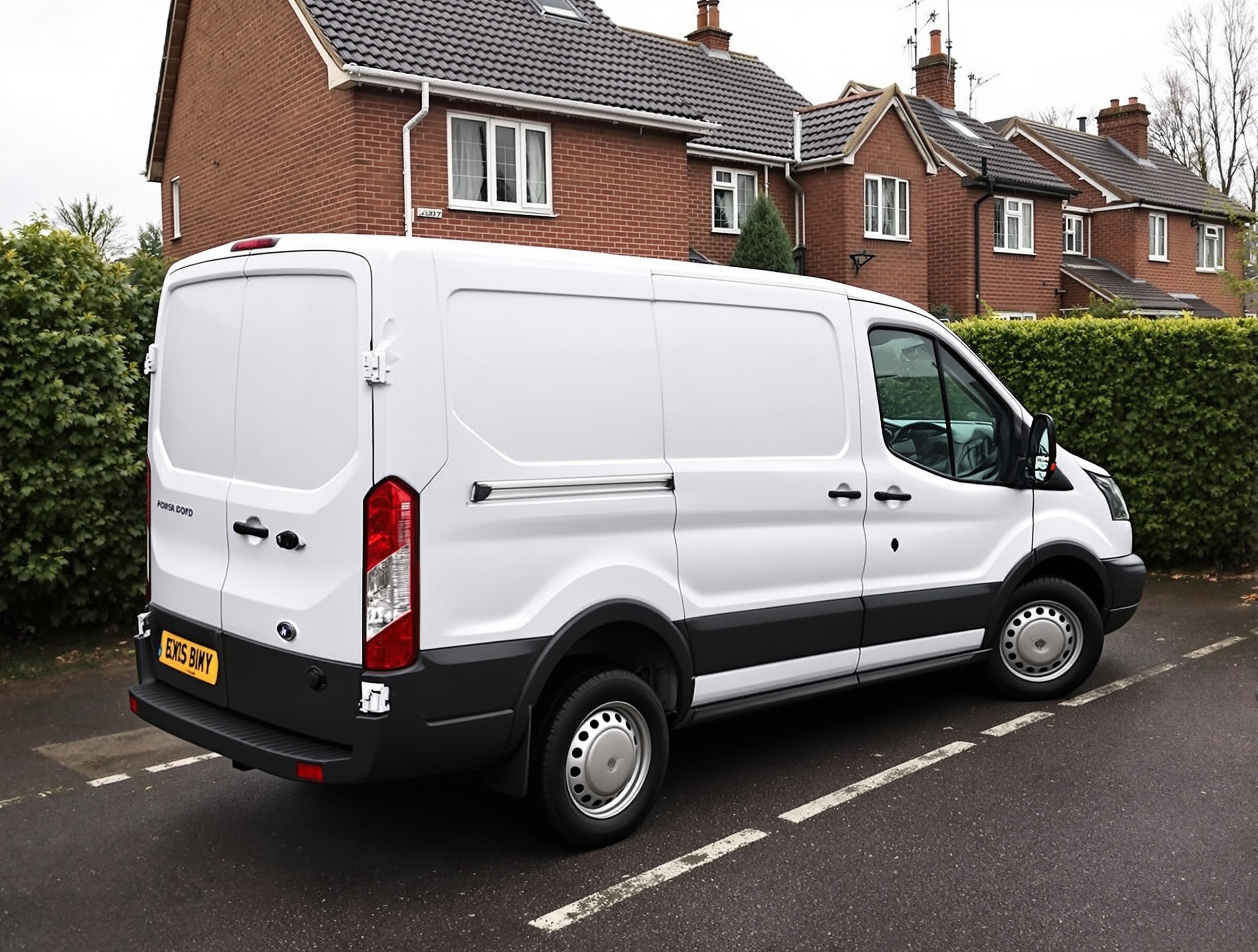
2017 Ford Transit
£4,9802017 · Diesel · Manual · White
2017 Nissan Qashqai
£9,3502017 · Petrol · Automatic · Silver
2018 Volkswagen Golf
£11,7502018 · Diesel · Manual · Black
2020 Mercedes A-Class
£18,9002020 · Petrol · Automatic · Black
2019 Vauxhall Astra
£8,5002019 · Petrol · Manual · Silver
2022 Kia Sportage
£19,9502022 · Petrol · Manual · White
Frequently Asked Questions About Family Cars
What is the best family car for three child seats across the back?
SUV, MPV, or estate — which body style is best for families?
How much boot space do I really need for a family car?
Are older family cars still safe enough for children?
You might also like
Reliable Cars Under £5,000
Proven reliability without breaking the bank. Trusted makes that go the distance — all from private sellers, all under five grand.
ULEZ Friendly Cars
Drive in London and clean air zones without charges. Compliant and efficient vehicles from private sellers across the UK.
Automatic Cars
Skip the clutch. Browse our full range of automatic and semi-automatic cars across the UK, all from private sellers.
Selling a Family?
List it on AutoSter for free. No dealer fees, no commissions. Reach thousands of verified UK buyers.
Post a free ad